Article
Treatments5 Nov 2026 1 min
Clear Aligners vs Traditional Braces: An Honest Comparison
Aligners are not automatically better than braces. The right choice depends on your case, your discipline and your timeline.
Read moreDiscreet orthodontic treatment planned around your teeth, bite and goals.
Clear aligners are removable, clear trays that gradually move teeth towards a planned position. At ESD Dental Clinic in Hazratganj, treatment begins with an examination, so you know whether aligners suit your teeth — or whether braces or another approach may be a better fit — before you decide anything.
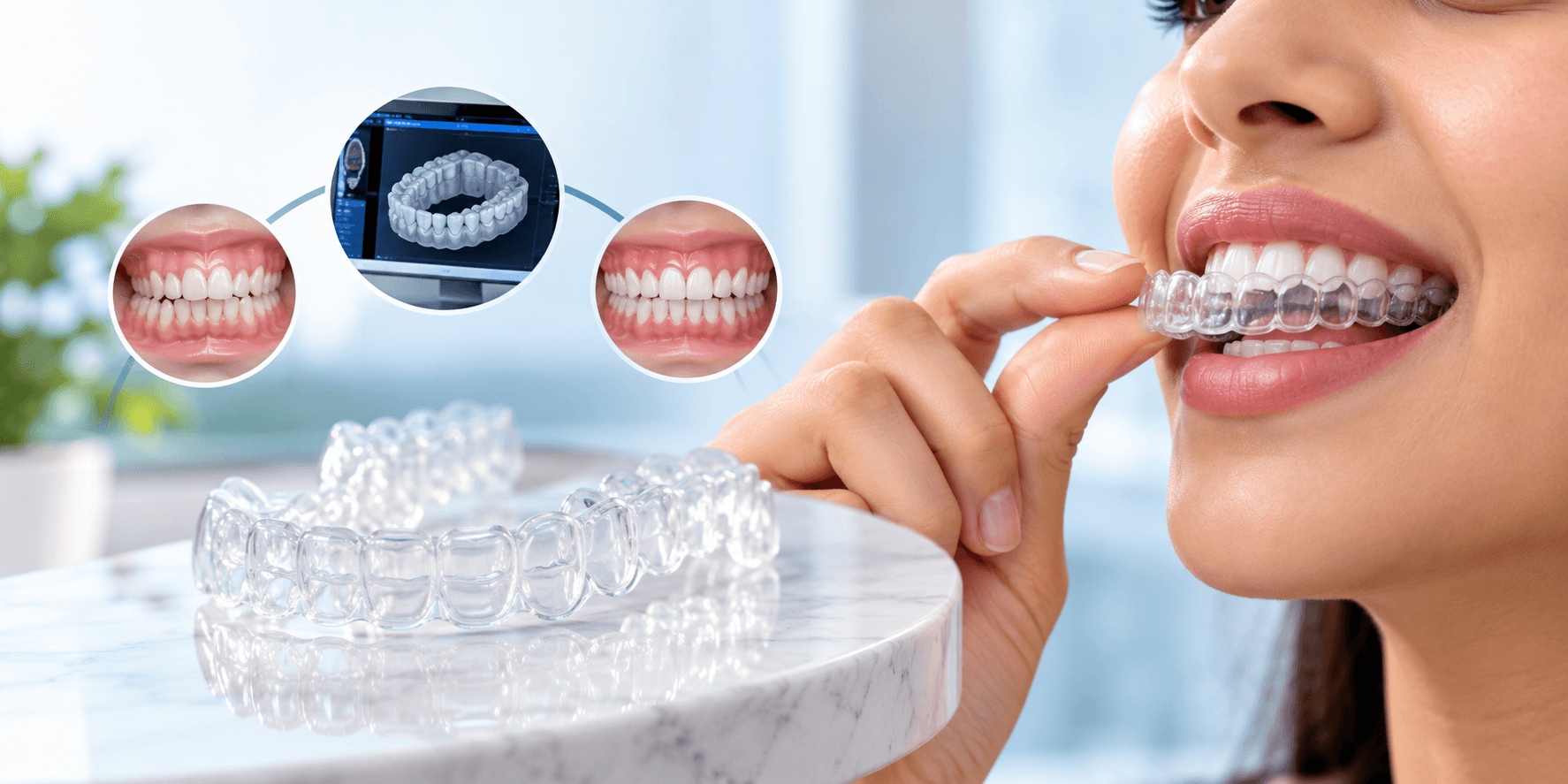
Clear aligners are removable orthodontic trays, made to fit your teeth, that are designed to guide them gradually towards planned positions. Treatment usually uses a series of trays. Each one is worn according to the schedule your clinician sets, moving the teeth a little at a time.
Because you can take them out to eat and to brush and clean your teeth, many people find them easier to fit around daily life than fixed braces. They do rely on you wearing them consistently.
Clear aligners may be used to treat crowding, gaps between teeth and certain bite problems. By improving how the teeth line up, they can also improve how a smile looks in suitable cases, though the result depends on the individual and cannot be promised.

Your clinician first assesses your teeth and bite, then plans how each tooth needs to move. The aligners are then made in stages, and you wear each tray for the time and in the order your plan sets out.
Each tray is shaped slightly differently from the last, applying gentle, controlled pressure so teeth shift gradually. Your clinician checks progress at reviews and can change the plan if your teeth are not moving as expected. Once the teeth reach the planned position, you move on to retention, which helps hold them there.
Aligners work only when they are worn as instructed, which is why the plan and your commitment to it matter.
Clear aligners may be considered for people with:
Whether aligners are suitable depends on an individual assessment — the position of your teeth, your bite, the health of your gums, how complex the movement needed is, your treatment goals, whether you are still growing, and how well you can follow the wear schedule. Other dental problems, such as cavities or gum disease, may need to be addressed first. Some cases are more appropriately managed with fixed braces or another orthodontic approach.
You tell us what concerns you and what you would like to change, and we ask about your dental history. This is also the time to ask any questions about the treatment.
We examine your teeth, gums and bite, and your overall oral health, to see what is happening and whether aligners are an option.
Records such as photographs, scans or impressions, and imaging where needed, may be taken to plan your treatment.
Your clinician works out how the teeth need to move, in what order, and how progress will be monitored. You are shown the plan and what it involves, including cost, before you decide to go ahead.
When your aligners are ready, you come in to have them fitted. You are shown how to put them in and take them out, how to clean them and how long to wear them.
You wear each set as prescribed, changing to the next tray when your plan says so, and take them out only when instructed, such as for meals and cleaning.
Your clinician checks how your teeth are moving. If needed, the plan may be adjusted.
When the teeth reach the planned position, active treatment finishes and you move on to retainers to help keep them in place.
How long treatment takes depends on the case. Factors include:
Your clinician can give a more realistic timeline after examining your teeth and planning treatment, and will tell you if it changes. Be cautious about any fixed treatment time quoted before your teeth have been examined. Wear time is prescribed individually — because the trays are removable, consistent wear is an important part of treatment.
Some people feel pressure, tightness or mild soreness when they start a new tray, as the teeth begin to move. This is usually temporary and often eases as the teeth adjust. If discomfort is severe or does not settle, contact the clinic so it can be looked at.
Clear aligners are generally taken out before eating and put back in afterwards, as your clinician instructs. Keeping your teeth and aligners clean before you put them back is important, and your clinician will give you specific guidance to follow.
Clean your aligners regularly as you are shown, keep your teeth clean so plaque is not trapped against them, store the trays safely in their case when they are out, and avoid anything that could damage or distort them.
If you lose an aligner, contact the clinic. Do not try to make a replacement, and do not skip ahead to the next tray unless you are told to. Your clinician will advise what to do, and your treatment sequence may need to be adjusted.
If an aligner is damaged, contact the clinic as well. Do not carry on wearing a badly damaged or cracked tray without advice — your clinician will decide what should happen next.

The cost of clear aligners is different for every patient, because it depends on your teeth and the treatment they need. For that reason we do not publish a single price. The main factors can include:
After examining your teeth and planning treatment, we explain what is proposed and give you a written estimate. Aligner pricing in India varies considerably with the complexity of treatment, the system used, the provider and what is included, so a general figure is of limited use.
Two quotes for aligner treatment may cover different things. These questions apply to any clinic you consult, including ours:
| Feature | Clear aligners | Braces |
|---|---|---|
| Appearance | Clear and discreet | Brackets and wire on the teeth; ceramic options are less noticeable than metal |
| Removability | Removable | Fixed to the teeth |
| Eating | Removed for eating | Follow food guidance while wearing |
| Cleaning | Trays cleaned separately; teeth brushed with trays out | Cleaning around brackets and wires |
| Daily commitment | Depends on wearing the trays as prescribed | Less reliant on daily wear; attend adjustments |
| Monitoring | Regular reviews as trays are changed | Regular adjustment visits |
| Suitability | Suitable for many cases, not all | Can be suitable for a wide range of cases |
| Maintenance | Look after and store the trays | Look after the fixed appliance and report broken parts |
The appropriate option depends on the patient’s teeth, bite, treatment goals and clinical assessment.
No orthodontic treatment should be described as literally invisible. Clear aligners are designed to be discreet, but how noticeable they are varies, and they may still be visible up close or affect speech slightly at first.
Adults may be candidates, depending on oral health and orthodontic needs. Healthy gums and teeth matter, and existing dental work or gum problems may need attention first.
Suitability depends on dental development, the case, the treatment needed and the ability to follow the prescribed wear schedule consistently. Your clinician will assess this individually.
Teeth can shift after orthodontic treatment, so retainers are often recommended. The type and schedule varies, and retainers cannot guarantee teeth stay in place permanently.
ESD Dental Clinic has been serving patients on Jopling Road in Hazratganj since 2011. Orthodontic assessment starts with an examination, and your dentist will explain whether clear aligners, braces or another approach may suit your teeth and bite.
Before you decide, you see the proposed treatment and cost. Clear aligner treatment is planned by the appropriate member of the ESD dental team, based on your teeth, bite and treatment needs.
Removable, clear orthodontic trays made to fit your teeth, worn in a planned series to move teeth gradually into position.
Not sure whether clear aligners are right for you? An examination is the way to find out. We will look at your teeth and bite, explain your options, including braces where relevant, and give you a written plan and estimate to consider in your own time.
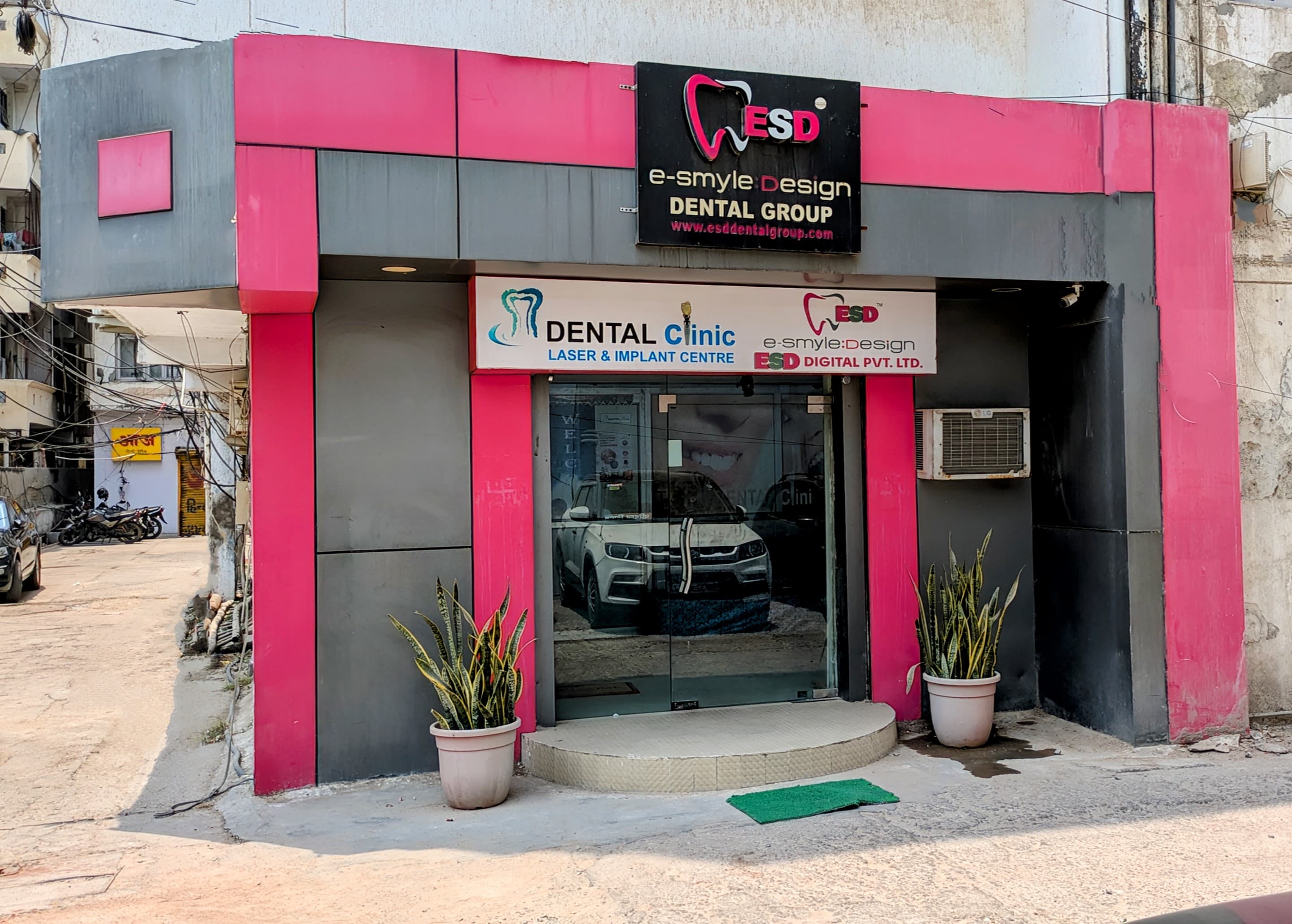
ESD Dental Clinic, Ground Floor, B Block, Surajdeep Complex, 1-Jopling Road, near Aaj Press, Hazratganj, Lucknow – 226001. Phone +91 72669 23333.
This page is general information and does not replace a dental examination.
Tell us what you need and our care team will call you back to confirm a time. We never share your details.
An examination, a written treatment plan and the prices that go with it — before you decide anything.