Sensitive Teeth: Why It Happens, and When It Is a Warning
A jolt from cold water is so common that most people stop mentioning it. The difference between harmless sensitivity and a tooth in trouble is in how long the pain lasts.
Read moreTooth or dental pain can have different causes. An examination can help identify the problem and guide the right treatment.
Most toothache needs a dental appointment, not a hospital visit. But if you have swelling that is spreading across your face or neck, swelling around the eye, difficulty breathing or swallowing, or a serious injury to your face or mouth, go to the nearest hospital emergency department or call 112. Do not wait for a dental appointment.
Tooth pain is a symptom, not a diagnosis. The same feeling — a dull ache, a sharp twinge or throbbing at night — can come from different problems, and only an examination can tell them apart.
A cracked tooth may hurt when you bite, when you release the bite, or with temperature changes, and the pain may come and go. Cracks are not always visible.
A wisdom tooth that has only partly come through the gum can become sore or swollen and hard to keep clean. The discomfort is usually felt towards the back of the jaw.
A tooth can be sore after a filling, crown or other treatment, or after a knock. Some soreness can follow treatment, but pain that is severe, getting worse or not settling needs to be reviewed.
Book a dental appointment promptly if you have:
Brief, mild sensitivity is less urgent, but it is still worth mentioning at your next visit.
Most toothache is not a medical emergency, but it should be checked. Some symptoms need urgent medical care rather than waiting for a dental appointment:
In these situations, go to the nearest hospital emergency department or call 112. A dentist can treat the cause once you are safe.
The aim is to find where the pain is coming from before deciding on treatment. In general, a consultation for tooth pain includes:
Not every cause can be pinned down at the first visit. Sometimes a review or a further test is needed. If you have earlier dental X-rays or reports, bring them.
A toothache does not automatically mean a root canal, and one treatment does not suit every tooth. Depending on the examination, the next step may be:
Tooth pain can ease for a while, or come and go, while the cause is still there. A quieter tooth does not always mean the problem has gone. While you wait for your appointment:
These steps are only for comfort. They do not treat the cause, and they are not a reason to delay an appointment.
The cost depends on the cause of the pain and the treatment recommended after examination. Several things affect it: what is causing the pain, whether X-rays or other tests are needed, what treatment is required and how complex it is, and whether more than one visit or additional procedures are needed.
Two toothaches can need very different treatment, so a fair estimate is only possible after an examination. Before you agree to treatment, ask for an explanation of what is recommended and what it is likely to cost.
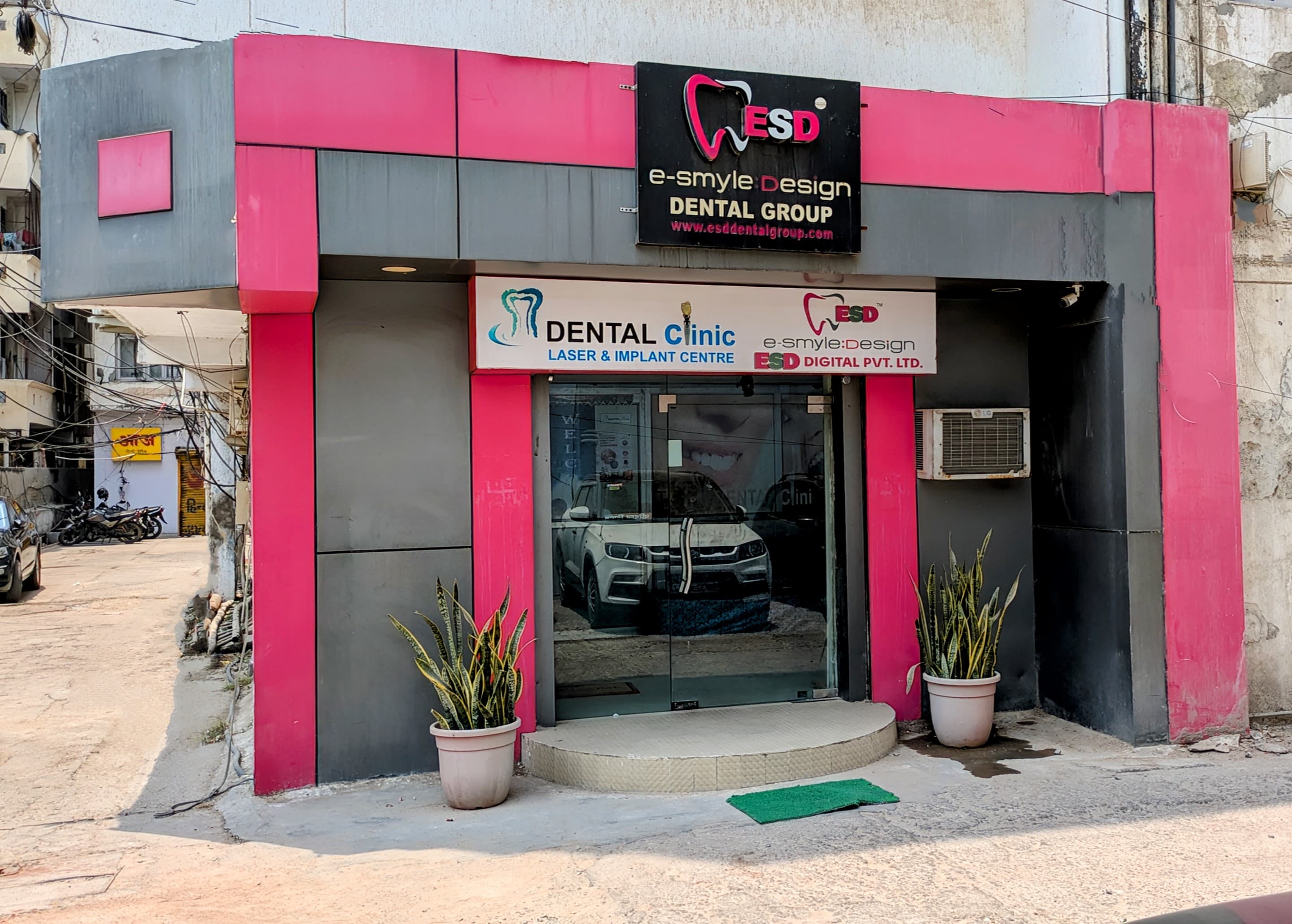
Tooth pain treatment is one of the treatments offered by ESD Dental Clinic, established in 2011. The dentist who examines you will explain what they find and what your options are.
Tooth pain is a symptom, and it can have several causes: decay, an inflamed or infected nerve, a cracked tooth, gum problems, a wisdom tooth or even the jaw joint. Only an examination can show which applies to you. It helps to note when the pain happens and what triggers it.
If you have tooth pain and want to know what is causing it, an examination is the way to find out.
ESD Dental Clinic, Ground Floor, B Block, Surajdeep Complex, 1-Jopling Road, near Aaj Press, Hazratganj, Lucknow – 226001. Phone +91 72669 23333.

This page gives general information and does not replace an examination by a dentist.
Tell us what you need and our care team will call you back to confirm a time. We never share your details.
An examination, a written treatment plan and the prices that go with it — before you decide anything.